Color and surface finish
Compare the approved color direction and visible surface condition. Real-gold PVD color should be checked against the agreed project standard.
Understand CHARMOND’s routine inspection scope, approximate sampling approach, defect handling and the conditions for buyer-appointed third-party inspection.
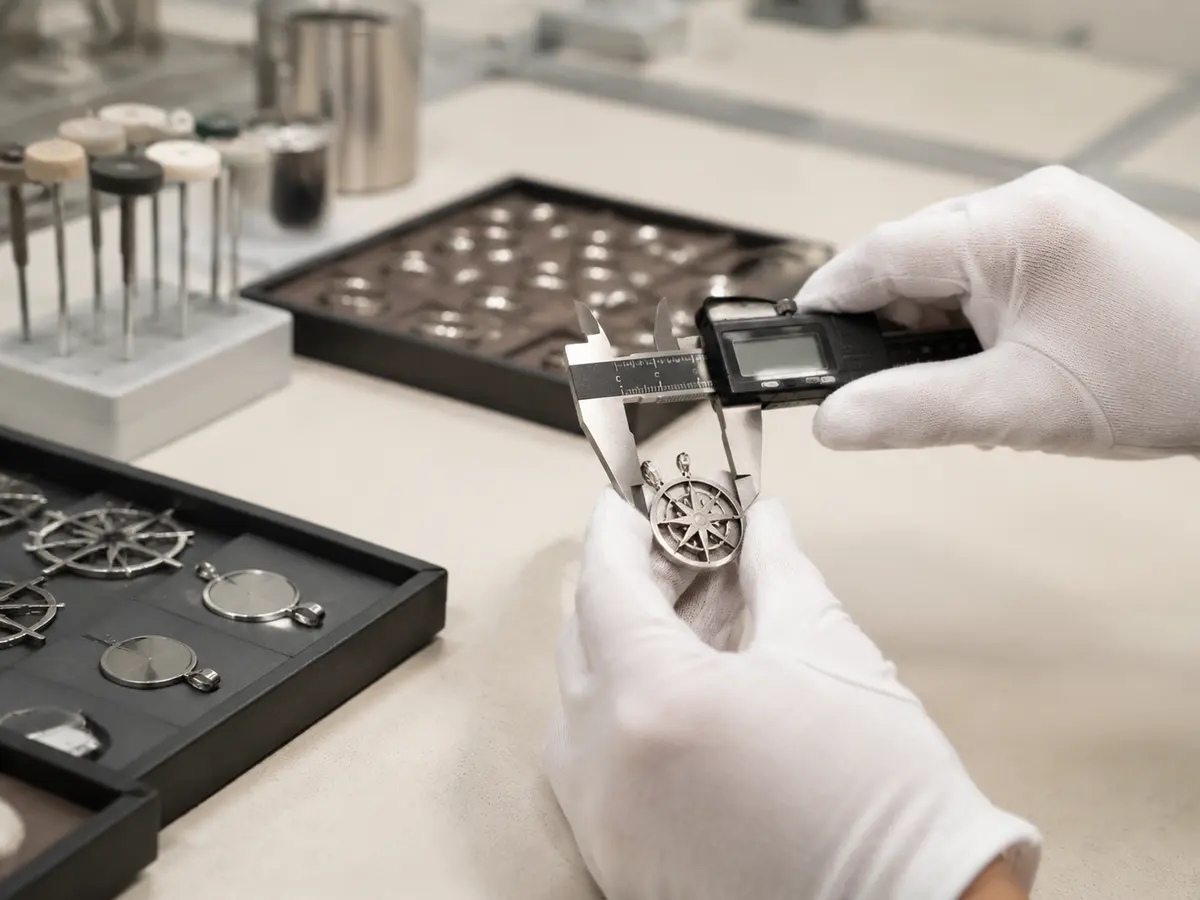
The exact checklist should match the design, specification, packaging and destination requirements confirmed for the project.
Compare the approved color direction and visible surface condition. Real-gold PVD color should be checked against the agreed project standard.
Check clasps, closures, adjustable parts, moving components and assembled connections where relevant.
Measure relevant length, width, thickness, diameter or component dimensions against the approved specification.
Verify ring sizes and other size-specific products according to the confirmed order breakdown.
Review obvious scratches, deformation, missing parts, poor polishing, contamination and other visible defects.
Check product, quantity, color, labels and packing method against the confirmed shipment instruction.
CHARMOND’s routine internal approach is approximately 10% sampling. The exact plan can change with order risk, product complexity, customer standard and commercial agreement.
The approximate 10% figure describes the routine approach and should not be presented as a universal acceptance standard for every order.
If a buyer needs a stricter AQL plan, 100% screening or additional measurements, the scope must be supplied and quoted before production.
Visual, dimensional and functional inspection does not replace nickel-release, restricted-substance or other laboratory compliance testing.
The action depends on the defect, production stage, agreed standard and whether correction can reliably restore the approved result.
| Finding | Typical factory action | Decision point |
|---|---|---|
| Correctable surface issue | Rework, repolish, clean or refinish where technically appropriate. | Can the approved appearance and function be restored? |
| Assembly or functional defect | Repair or replace the affected component, then recheck. | Does the corrected piece meet the confirmed function? |
| Wrong size or irreversible defect | Remake the affected product when correction is not reliable. | Can the item still meet the specification without compromise? |
| Repeated or systematic issue | Pause, identify the cause and review the affected scope. | Does the issue require broader sorting or process correction? |
Different inspection standards, sample plans and reporting requirements can affect quotation, preparation and shipment timing.
Send the inspection checklist, AQL level, sample plan, defect classification, measurement tolerance and reporting requirements before the order is confirmed.
The customer pays the third-party inspection company and related external service costs.
The factory and buyer align the inspection date, finished quantity, product availability, documents and follow-up procedure.
Clear specifications reduce subjective disputes and keep the inspection focused on the actual purchase requirement.
Confirm the reference sample, dimensions, color direction and functional details.
Record style, color, size breakdown, quantity and packaging instruction.
Provide tolerances, AQL or special buyer requirements before production.
Prepare the agreed finished quantity and documentation for inspection.
Check the sampling scope and repair or remake nonconforming pieces.
Resolve required follow-up and confirm shipment status under the agreed process.
Select a question to read the practical answer.
Routine factory QC uses approximately 10% sampling. A 100% inspection or stricter plan must be agreed separately.
CHARMOND uses dedicated professional quality-control staff for routine inspection.
Color, function, length, dimensions, size, visible overall quality and confirmed packing points are typical inspection areas.
The affected item is repaired or remade according to the defect and whether a reliable correction is possible.
Yes. Supply the standard in advance so the scope, preparation and schedule can be coordinated.
The buyer bears the external inspection fee.
No. Factory inspection and laboratory compliance testing answer different questions.
Yes. Different standards, coverage and reporting requirements may affect production preparation, quotation and timing.
Use these guides to connect development, packaging and final inspection before confirming bulk production.
Review sample fees, tooling, revisions, process-based timing and the eligible fee-return policy.
Plan the sample →Coordinate artwork, packaging formats, MOQ, buyer-supplied materials and packing instructions.
Plan packaging and branding →Send the approved product reference, dimensions, tolerances, defect definitions, sampling plan and packaging requirements. We will identify what must be aligned before inspection.
Discuss Your QC Requirements